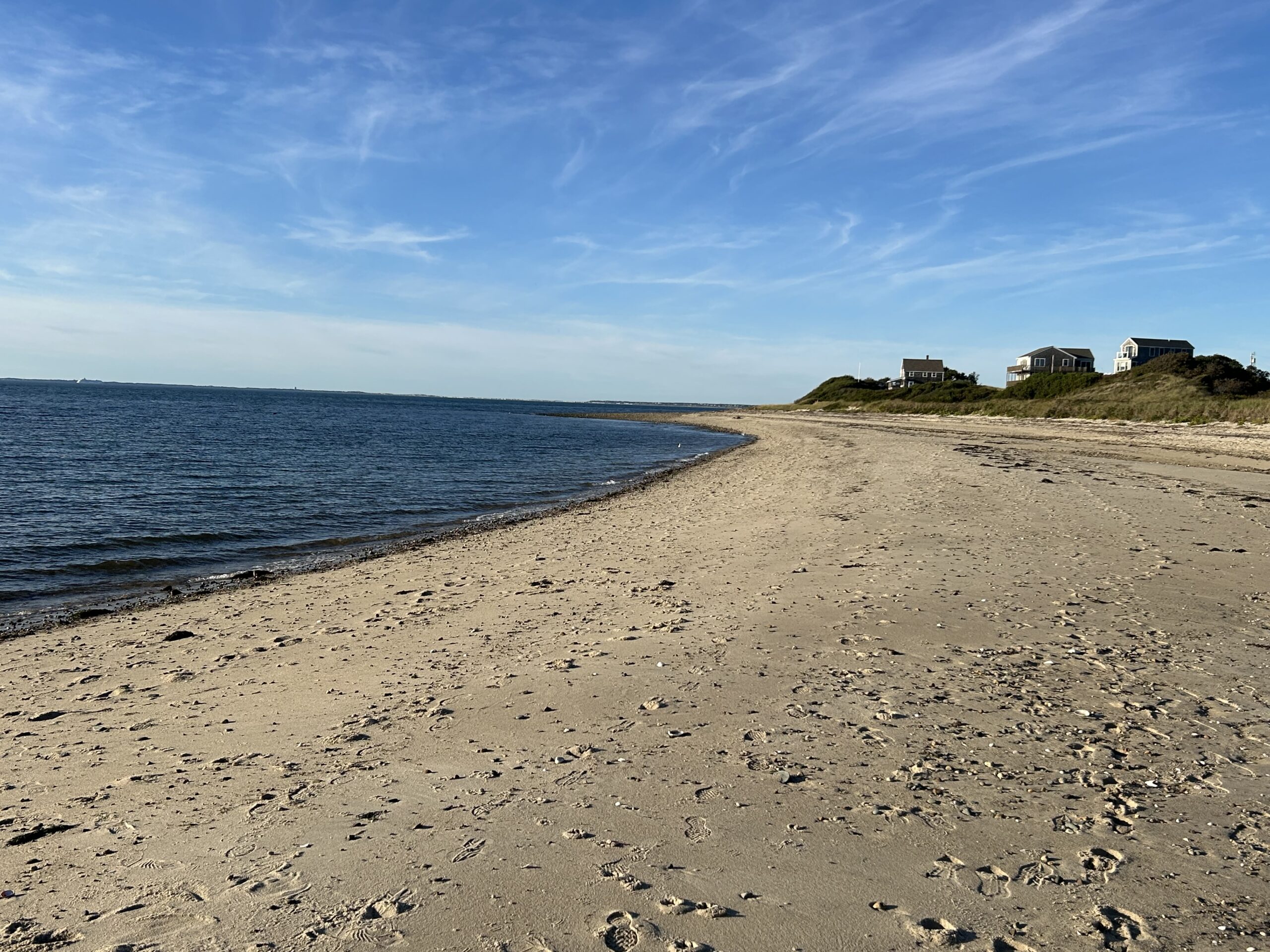
Cape Cod looks effortless in the summer. Hydrangeas in full bloom, ocean breezes rolling in, and that familiar thought: we could totally live here.
Then winter arrives—and the Cape quietly asks how prepared you really are.
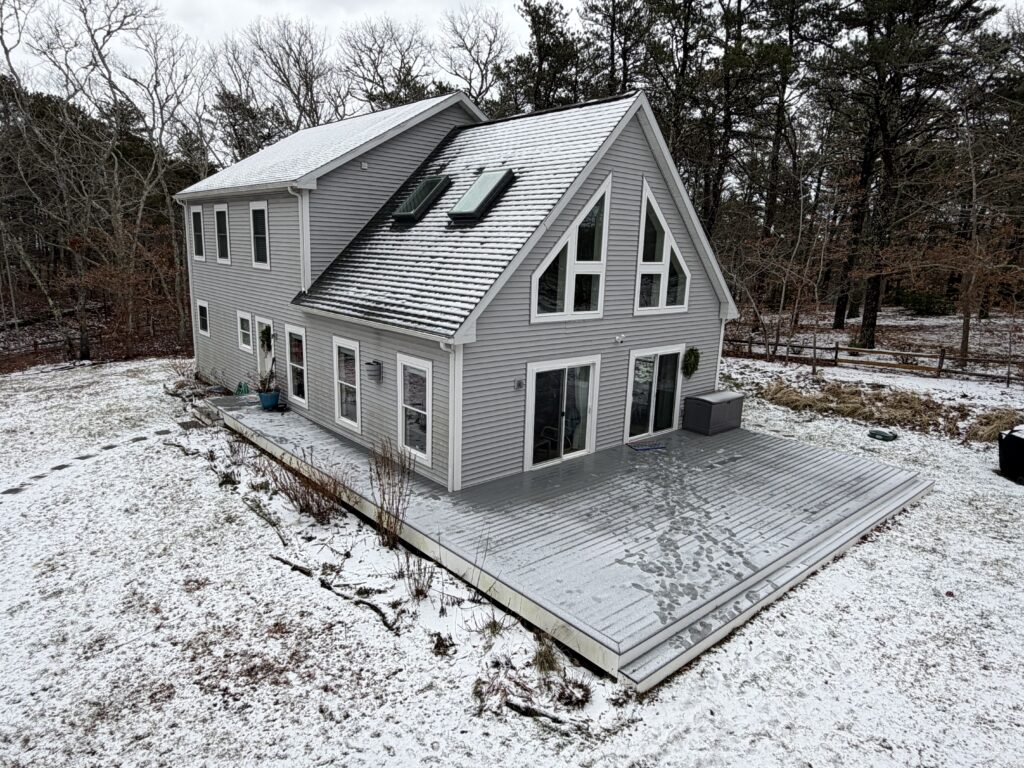
Living on Cape Cod year-round can be deeply rewarding, but it is very different from vacationing here. The reality only becomes clear after the crowds disappear and the wind starts cutting across the bay. If you’re considering making the Cape your full-time or near full-time home, there are things most people don’t realize until long after closing day.
Winter on the Cape is real, and it tends to linger. The cold feels different here. Wind, moisture, and exposure make temperatures feel harsher than they look on paper. Homes that were designed primarily as summer cottages often struggle during the colder months. Drafty windows, minimal insulation, and inefficient heating systems quickly become daily frustrations. Square footage matters far less than how well the house is built to handle winter conditions.

The salt air, while beautiful, is relentless. Coastal exposure takes a toll on homes in ways inland buyers aren’t used to. Metal corrodes faster, exterior paint fails sooner, and wood requires consistent upkeep. Systems and fixtures wear down more quickly, and deferred maintenance shows up fast. Owning a home on the Cape requires a proactive mindset. Waiting until something breaks usually means paying more, and often at the worst possible time.
Another surprise for many year-round owners is how difficult it can be to get work done. Good contractors are in high demand, and availability can be limited—especially outside of peak seasons. Emergency repairs in winter can be expensive, and scheduling even routine projects often requires patience and planning well in advance. Longtime residents know which tradespeople to call, and relationships matter far more than price shopping.
Not all Cape Cod towns function the same way once summer ends. Some areas remain active with year-round residents, reliable services, and a sense of community through the winter months. Others grow very quiet. What feels charming and serene in July can feel isolated in January, depending on your expectations and lifestyle. Buying based solely on summer impressions can lead to a mismatch if you’re planning to live here full-time.
Heating costs tend to catch new owners off guard. Many Cape homes rely on oil, propane, or older heating systems that weren’t designed with efficiency in mind. Insulation, window quality, and system age have an outsized impact on monthly expenses. These are not abstract considerations—they directly affect comfort and cost, especially during long winter stretches.
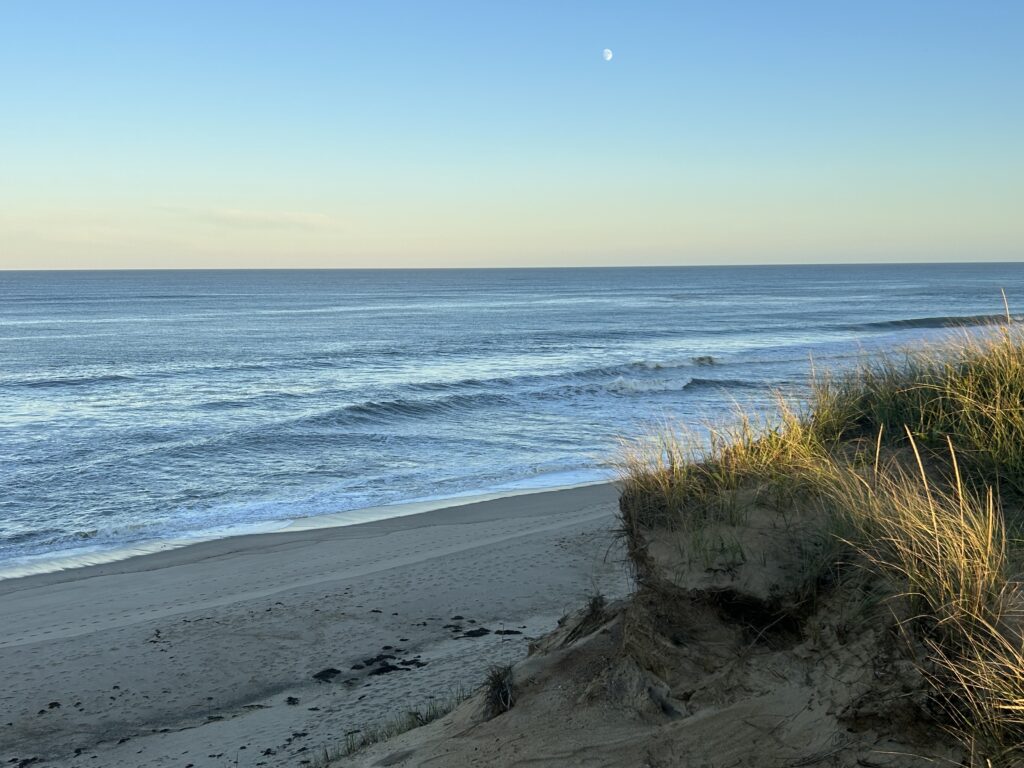
Flood zones and insurance also become real very quickly when you own property on the Cape. Even homes that have never experienced flooding may require flood insurance, particularly if financed. Insurance premiums can be significant and are subject to change over time. Zoning and conservation rules can further limit what you’re allowed to modify or improve. These are not items to gloss over during the buying process, as they can affect both usability and long-term value.
Despite all of this, many people who live on the Cape year-round will tell you the off-season is when the place truly shines. The beaches empty out, the pace slows, and the sense of community becomes stronger. For those who value quiet, nature, and space to breathe, the winter and shoulder seasons are often the most rewarding part of Cape living. It’s not for everyone, but for the right person, it’s unmatched.
From an investment standpoint, well-chosen Cape Cod homes tend to hold their value extremely well. Buyers who do best are those who purchase with year-round use in mind, understand the limitations and costs upfront, and take a long-term view. The Cape rewards thoughtful decisions and has very little patience for impulse buys.
Cape Cod isn’t difficult—it’s honest. It offers incredible beauty and a unique lifestyle, but it asks for preparation and respect in return. When you buy with clear expectations and solid local guidance, owning a home here year-round can be immensely fulfilling. When you don’t, the learning curve arrives quickly—usually with a winter storm.
If you’re thinking about making the Cape your home beyond the summer months, the goal isn’t to be talked into it or out of it. It’s to understand what living here actually looks like once the postcards are gone.

Author: Alexander Zay
I’m a full-time Realtor® with Better Homes and Gardens Real Estate, serving buyers, sellers, and investors across the Philadelphia suburbs and Chester County’s countryside. Since starting my real estate career, I’ve helped more than **125 clients** successfully buy or sell their homes, with over **$30 million in total sales**. My approach is straightforward—honest advice, clear communication, and a steady, data-driven understanding of the market. I work with everyone from first-time buyers and move-up homeowners to investors and sellers preparing high-end listings. Whether it’s a restored farmhouse surrounded by open space or a suburban home close to great schools, I focus on helping clients make confident, informed decisions that fit their long-term goals. Outside of Pennsylvania, I’m expanding my expertise to New England, where my family and I own a second home in Wellfleet on Cape Cod. I’m in the process of obtaining my Massachusetts real estate license to better serve clients in the Boston metro area, South Shore, and Cape Cod markets—regions I know and love from years of spending time there. At the end of the day, my job isn’t just about real estate—it’s about people, timing, and guiding them through one of the biggest transitions in their lives…


Leave a Reply